
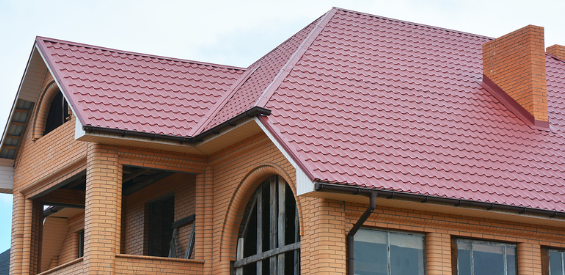
Looking up Roofing around College Station Texas is easier with a picture of the layers under the surface; the visible covering is only the top of the stack. The valley's weather tests every layer of a roof, from the deck up to the ridge; materials matter, and so does the way the parts fit.
A Roof Is a Stack of Layers
Framing sets the shape of the roof and the angle of every slope; any soft spot in the frame becomes a conversation before covering goes down. The deck turns a frame into a surface, and the surface carries the weather layers; new covering is only as good as the wood beneath. A water-resistant sheet goes over the deck before any shingles, panels or tiles are laid; the layer is unglamorous and does real work in a storm. Metal flashing is the quiet hero of every watertight roof; metal outlasts sealant, so good crews rely on metal first. The covering is the visible layer, whether shingles, panels, tile, wood or a membrane; the following sections compare the main choices.
Decking and the Wood Beneath
Panel sheathing comes in sheets nailed across the rafters with small gaps for movement; humid summers are hard on thin or poorly fastened panels. Discolored boards are the map a crew follows to find old leaks; sound boards stay, damaged boards go, and the decision happens on site. Overdriven nails cut through the surface, and underdriven nails push up and lift the covering; consistent spacing is easy to see and easy to ask about.
Metal and Membrane Behind the Surface
Felt still works, and synthetic sheets have simply improved the margin of safety; exposure limits matter, so covering should follow soon after the sheet. Where two slopes meet, water gathers and speeds up on its way down; debris collects in valleys, so a clear path helps. A chimney needs a small peaked piece behind it to turn water around the corner; caulk is a temporary measure and metal is the real repair. Pipe boots and vent collars are small parts with a short life compared with the roof itself; new boots belong on every roof that gets a new covering.
What Each Covering Does Well
Architectural shingles add thickness and shadow lines, while basic three-tab shingles stay thinner and flatter; shingle color affects how much heat the roof absorbs. Panels run from eave to ridge in long pieces, joined by raised seams or exposed fasteners; panel profile and gauge should be named in the scope. Barrel and flat tiles give a roof a strong Spanish or Mediterranean look; foot traffic should be minimal after the roof is done. Wood shingles and shakes bring a natural look and a lot of character to a roof; treatments and cleaning extend the life of a wood roof. Modified bitumen sheets are torched or adhered in overlapping layers for strong seams; ponding water signals a problem with slope or drainage.
Climate and the Materials Choice
Reflective surfaces and good color choices help a roof handle strong sun; the surface layer is the first to show the sun's effect. The heat load on a roof in the valley is a design factor, not an afterthought; reflective or light coverings take some of the strain off the attic. Moisture that lingers on a covering invites growth and speeds wear; pressure washing is a bad idea for most roofs. The same roof that bakes in summer has to withstand a violent spring afternoon; a post-storm walk around the property catches early damage. Brazos clay moves, and buildings on it flex a little with each cycle; sorting the cause first keeps repairs targeted.
Air Movement Under the Deck
Airflow along the underside of the deck carries heat and moisture away; mixing different vent types can short-circuit airflow. Moisture from the house rises into the attic and needs somewhere to go; ventilation is simple to fix during a roof job.
Installation From the Bottom Up
Debris falls into trailers or dumpsters while the crew works their way across each slope; the deck is repaired as soon as the old covering is off. Drip edge and underlayment go on next, starting at the eaves and working up the slope; edges hold the roof against wind, so fastening there gets extra attention. Shingles, panels or tiles are set from the bottom edge upward in straight lines; crooked courses are the most visible sign of rushed work. A final look from the ground confirms straight lines, tidy edges and clean valleys; any missed spots get fixed before the crew leaves.
Why the Angle of a Roof Matters
Asphalt shingles need a minimum slope to shed water reliably; a slope that looks steep from the street is gentler than it seems. A simple roof shape has fewer joints and fewer chances for leaks; additions can hide old roof edges beneath the new ones.
Care After the Work Is Done
A pass with a leaf blower or a soft broom keeps debris from piling up; clean surfaces dry faster and wear more slowly. Each covering has its own care routine, from granule checks on shingles to seam checks on metal; binoculars from the yard reveal a lot.
Decoding the Vocabulary of a Proposal
Eaves, rakes and ridges are the three edges every roof proposal mentions; a scope that uses the terms correctly was written by someone who knows the trade. Rows of covering step upward from the eave, each hiding the nails of the one below; the manufacturer's instructions set the right exposure for each product. Roofing is sold and measured in squares, and one square covers one hundred square feet of roof; the measurement is the foundation of every material order.
Straightforward Questions for a Roofing Plan
Find out whether the plan covers the deck, the underlayment, the flashing and the covering; a good crew answers in plain terms and without hurry. Ask how the roof will drain and where water goes when it leaves the edge; photos of finished details from earlier work are fair to ask for. Ask how the crew handles the heat, the humidity and the storms that visit the region; generic answers suit generic roofs, and few roofs are generic.
Plan the Work Step by Step
Ring 979-464-6655 to walk through Roofing and the order of the work; the conversation begins with the roof as it stands today.